
Root canal treatment removes infection from inside a tooth and saves it from extraction. Despite its reputation, the procedure relieves pain rather than causing it — modern techniques and anesthetic make it comparable to having a filling placed.
Inside each tooth is a soft tissue called the pulp, containing nerves and blood vessels. When deep decay, a crack, or an injury allows bacteria to reach the pulp, it becomes infected. The infection cannot resolve on its own and will eventually spread into the bone at the root tip, forming an abscess.
The alternative to root canal treatment is extraction, followed by the cost and complexity of replacing the tooth with an implant or bridge. Keeping your natural tooth is almost always the better outcome, and at Rita Marroghi DDS we treat root canals with that goal in mind.
Some infected teeth cause no symptoms at all and are found on a routine X-ray. Equally, pain that suddenly stops does not mean the problem has resolved — it often means the nerve has died and the infection is continuing silently.
If you have facial swelling, difficulty swallowing, or a fever, contact us immediately. These indicate a spreading infection that requires urgent care.
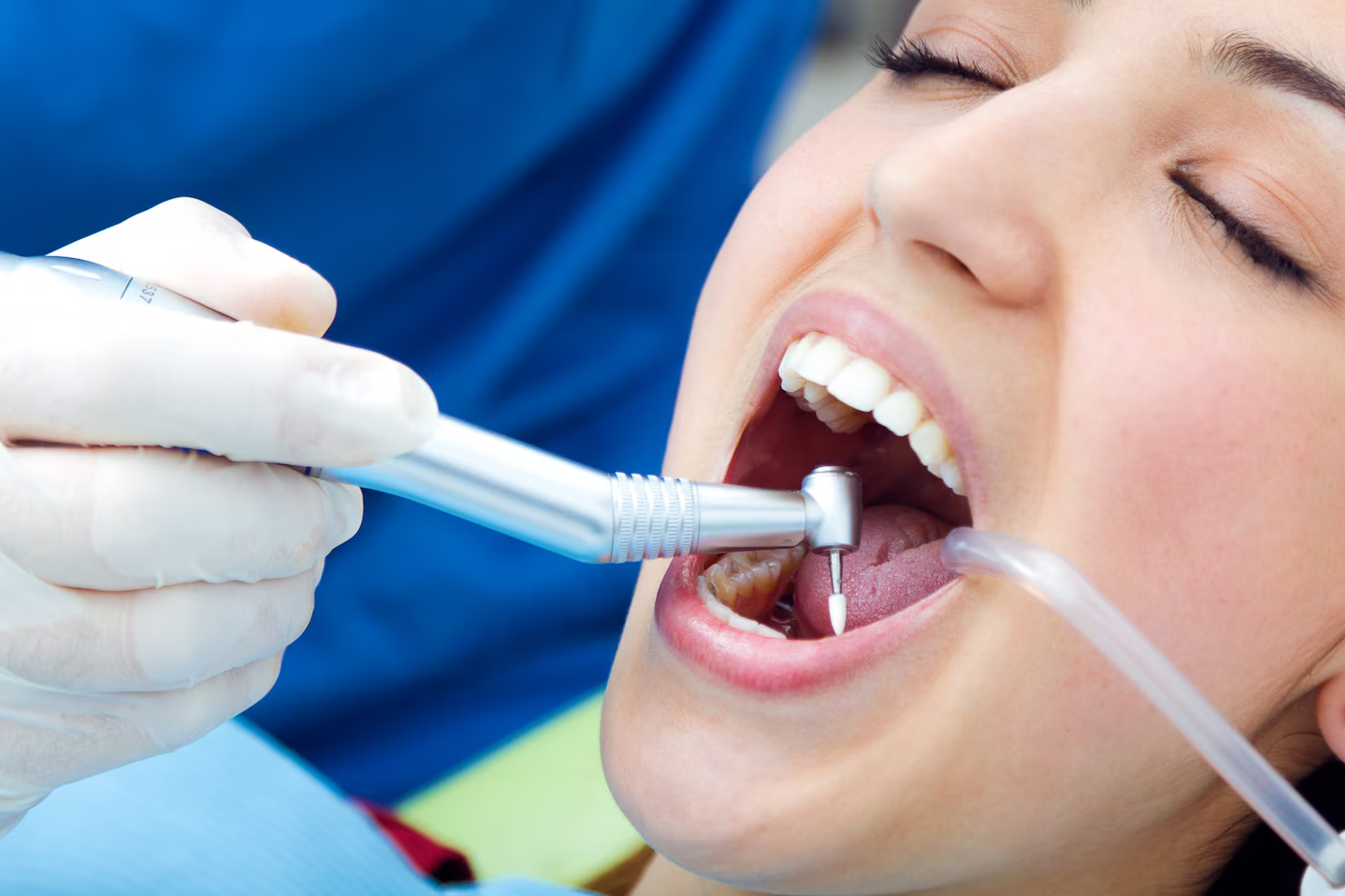
Treatment is typically completed in one or two appointments of 60 to 90 minutes.
The tooth is numbed thoroughly, and most patients report the procedure feeling much like a routine filling. A small opening is made in the crown of the tooth to access the pulp chamber, and the infected tissue is removed from the canals.
The canals are then cleaned, shaped, and disinfected, and filled with a biocompatible material that seals them against further infection. A temporary filling closes the tooth while it settles.
Mild tenderness for a few days afterward is normal and usually managed with over-the-counter pain relief. The severe pain that brought you in typically resolves immediately.
A tooth that has had root canal treatment becomes more brittle, because it no longer has a blood supply and because accessing the canals removes structure from the biting surface.
Back teeth in particular are prone to fracturing under chewing pressure if left unprotected, and a fractured root-treated tooth usually cannot be saved. For this reason, a crown is normally recommended within a few weeks of completing treatment.
Your dentist will explain whether a crown or a permanent filling is appropriate for your tooth.
Most patients arrive for root canal treatment in pain and apprehensive about the procedure. Both are addressed the same way — with thorough anesthetic, a clear explanation of each step, and an unhurried approach.
Dr. Marroghi has over 25 years of experience in endodontic treatment. For a tooth that requires specialist care, we refer to an endodontist rather than attempting treatment beyond what is appropriate in general practice.
If you are in severe pain, call the office immediately. We do our best to accommodate urgent same-day appointments at both locations.
Posted on GoogleTrustindex verifies that the original source of the review is Google. I had a dental crown done by dr. Rita Marroghi and honestly she explained everything before starting the procedure and made whole experience so comfortable. In my experience I found her the most gentle dentist in pontiac michigan.Posted on GoogleTrustindex verifies that the original source of the review is Google. Dr. Marroghi is the most caring, compassionate and professional dentist you can find.Posted on GoogleTrustindex verifies that the original source of the review is Google. I love all the girls that work here, especially Helen, they all make my day. I've had all my dental work done here in Pontiac, and I wouldn't trust no one else, but then. They treat you like family here.Posted on GoogleTrustindex verifies that the original source of the review is Google. Dr. Marroghi was amazing. I loved the office and would highly recommendPosted on GoogleTrustindex verifies that the original source of the review is Google. My experience was pleasant. Dr. Marroghi was very wonderful.Posted on GoogleTrustindex verifies that the original source of the review is Google. Very very nice place good workers good Doctor and very understanding and willing too do what to make you feel better. Love themPosted on GoogleTrustindex verifies that the original source of the review is Google. Been a patient for a while the staff is fantastic and beautiful true Professional I love my dentist they like family to me do outstanding job. Best dentist office in Pontiac, Michigan. God keep blessing them and keep them in prayer Dr.Rita Marroghi is the best in town✨💙
The practice is committed to helping patients become informed decision-makers who fully understand their dental conditions and treatment options. The team will listen to your concerns and explain its recommendations so you can make an informed choice about your care.
The practice encourages patients to prepare for their appointment and discuss any concerns with the dental team. Sharing your anxiety in advance helps the doctor understand your needs and provide appropriate care during your visit.
The practice treats dental injuries such as chipped, displaced, or knocked-out teeth. Same-day treatment is not guaranteed on the website, so patients should call the office immediately for assistance and appointment availability. For a life-threatening or severe injury, call 911 or visit the nearest emergency room.
The practice provides routine and restorative dental services, including cleanings, fillings, crowns, dentures, root canal treatment, and sealants to protect children’s teeth. Contact the office to discuss the most appropriate care for you or your child.