
Removing a tooth is always the last option. When a tooth cannot be saved, a careful extraction relieves pain, stops infection spreading, and clears the way for a replacement that restores your bite.
We treat extraction as a decision to reach only after the alternatives have been considered. A tooth may need removing when:
At Rita Marroghi DDS, we explain why extraction is being recommended and what the alternatives would involve, so the decision is yours and fully informed.
Most extractions are completed in a single appointment.
The area is numbed thoroughly first. You will feel firm pressure during the procedure — this is normal and is not pain. If you feel anything sharp, tell your dentist and more anesthetic will be given.
A simple extraction removes a tooth that is fully visible above the gumline. The tooth is gently loosened and lifted out, and the process usually takes only a few minutes.
A surgical extraction is needed when a tooth is broken at the gumline or has not fully erupted. A small incision is made, and the tooth may be sectioned into pieces for easier removal. Stitches may be placed, and are often the dissolving kind.
Gauze is placed over the site and you bite down.
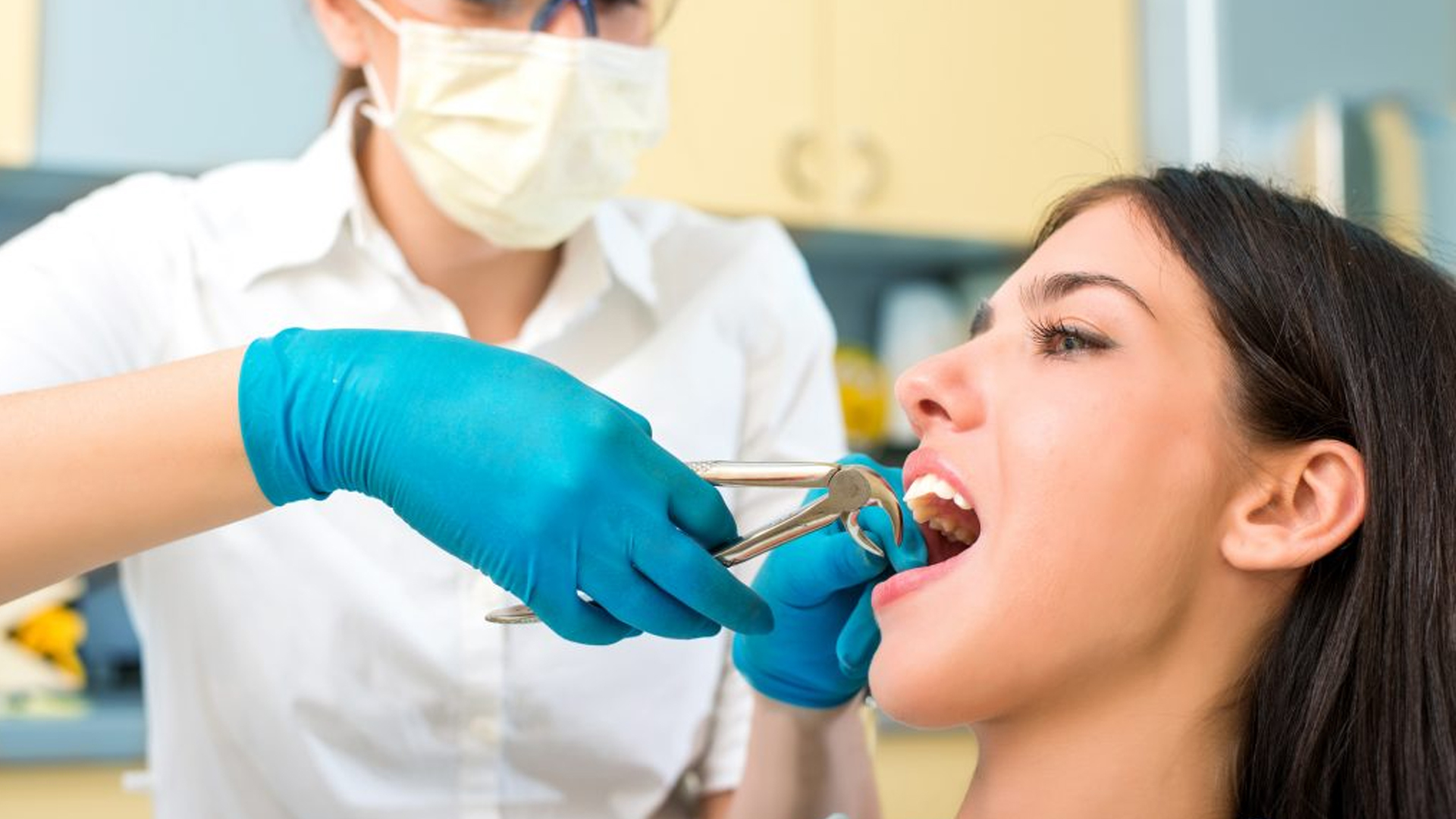
A gap does not stay a gap. Neighboring teeth drift into the space, the opposing tooth over-erupts, and the bone beneath the gap gradually resorbs. Over time this changes your bite and makes replacement more complex.
We discuss replacement options before the extraction, not after:
Front teeth in particular are worth planning for in advance.
The first 24 hours matter most, because a stable blood clot is what allows the site to heal.
On the first day:
From the second day:
Most patients feel substantially better within three days.
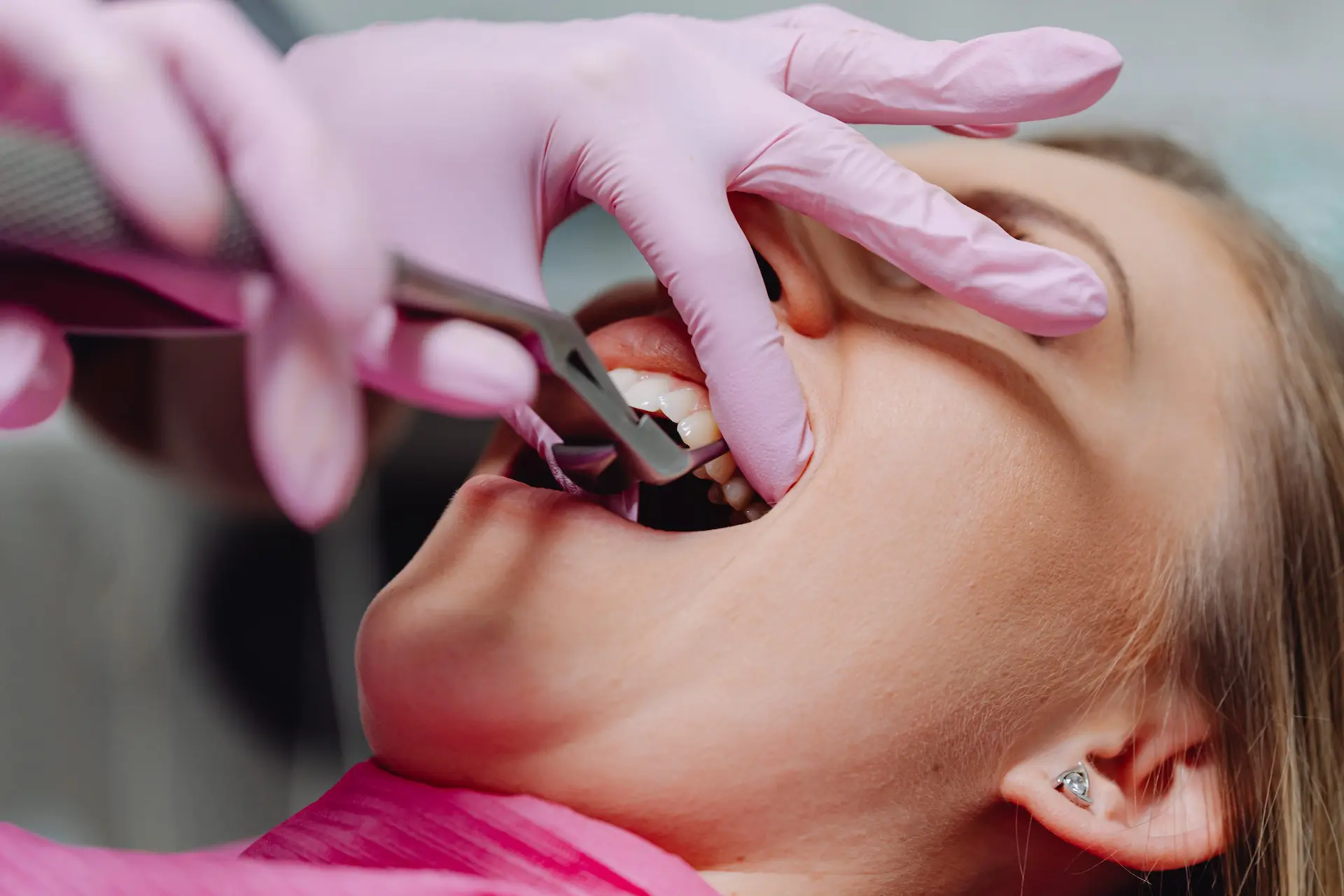
Nobody looks forward to having a tooth removed. What makes the difference is thorough anesthetic, an unhurried approach, and knowing exactly what to expect afterward.
Dr. Marroghi has over 25 years of experience and refers complex surgical cases to an oral surgeon where that is the right course. We also discuss replacing the tooth before the extraction, so you leave with a plan rather than just a gap.
If you are in pain, call the office. We do our best to accommodate urgent same-day appointments at both locations.
For a knocked-out or badly damaged tooth, call the office immediately — a knocked-out permanent tooth can sometimes be re-implanted if treated within the hour. Keep it in milk, and do not scrub the root.
For a life-threatening or severe injury, call 911 or go to the nearest hospital emergency room.
Posted on GoogleTrustindex verifies that the original source of the review is Google. I had a dental crown done by dr. Rita Marroghi and honestly she explained everything before starting the procedure and made whole experience so comfortable. In my experience I found her the most gentle dentist in pontiac michigan.Posted on GoogleTrustindex verifies that the original source of the review is Google. Dr. Marroghi is the most caring, compassionate and professional dentist you can find.Posted on GoogleTrustindex verifies that the original source of the review is Google. I love all the girls that work here, especially Helen, they all make my day. I've had all my dental work done here in Pontiac, and I wouldn't trust no one else, but then. They treat you like family here.Posted on GoogleTrustindex verifies that the original source of the review is Google. Dr. Marroghi was amazing. I loved the office and would highly recommendPosted on GoogleTrustindex verifies that the original source of the review is Google. My experience was pleasant. Dr. Marroghi was very wonderful.Posted on GoogleTrustindex verifies that the original source of the review is Google. Very very nice place good workers good Doctor and very understanding and willing too do what to make you feel better. Love themPosted on GoogleTrustindex verifies that the original source of the review is Google. Been a patient for a while the staff is fantastic and beautiful true Professional I love my dentist they like family to me do outstanding job. Best dentist office in Pontiac, Michigan. God keep blessing them and keep them in prayer Dr.Rita Marroghi is the best in town✨💙
The practice is committed to helping patients become informed decision-makers who fully understand their dental conditions and treatment options. The team will listen to your concerns and explain its recommendations so you can make an informed choice about your care.
The practice encourages patients to prepare for their appointment and discuss any concerns with the dental team. Sharing your anxiety in advance helps the doctor understand your needs and provide appropriate care during your visit.
The practice treats dental injuries such as chipped, displaced, or knocked-out teeth. Same-day treatment is not guaranteed on the website, so patients should call the office immediately for assistance and appointment availability. For a life-threatening or severe injury, call 911 or visit the nearest emergency room.
The practice provides routine and restorative dental services, including cleanings, fillings, crowns, dentures, root canal treatment, and sealants to protect children’s teeth. Contact the office to discuss the most appropriate care for you or your child.